
Rethinking Women’s Month
By Maya Satija
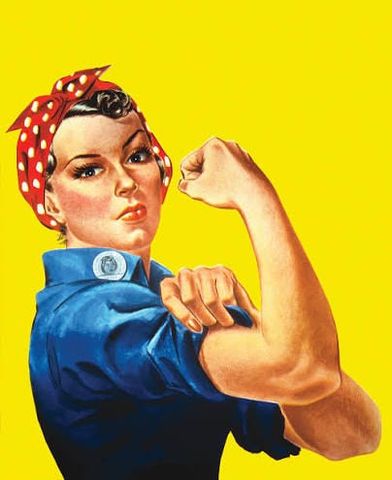
March is Women’s History Month, but how much is really done to honor it? Maybe there are a few posters in the halls or a shout-out on the morning announcements. Beyond this, Women’s History Month is simply a month like any other. Women have been neglected and pushed away throughout history. There are several examples of women’s inequality, from the denial of voting rights to the pink tax. Women’s History Month should be a time to recognize all the significant women who helped make society what it is today.
There are important women who have worked in various fields that teachers could include in their curriculum. For example, chemistry classes could introduce students to Marie Curie through a simple project, and history teachers could focus on influential women in the time period they are working with. English teachers could assign a book about women who have faced adversity.
There are several women in our community who are forging new paths for themselves and overcoming difficulties. Inviting such women could inspire students to similarly create their own futures. If the morning announcements wanted to be included in rethinking Women’s History Month, they could have a “Woman of the Day” segment. Every day, they would highlight one powerful female and talk about her influence. Moreover, teachers could build off this idea and continue it in their classrooms. Last, a Women’s Activist Club could create reels, posts, and stories to spread the word.
By taking part in these steps, we could make Women’s History Month amount to more than posters – it could be a meaningful experience appreciating all that women have done over the years. It’s a learning opportunity for students in a way beyond the traditional classroom. Most curricula focus mainly on men, so this allows for a broader perspective. Students would not only learn about the achievements of women throughout history but also see real examples of leadership and perseverance in their own community. It inspires younger girls to push themselves. If the high school commits to intentional and creative ways to honor Women’s History Month, it sends a clear message: the achievements and struggles of women matter, and every student deserves to learn from them.